
Abstract
Hydraulic systems are fundamental to modern marine engineering, enabling safe, efficient, and controlled movement of heavy structures such as cargo hatch covers.
Hydraulic actuation systems provide higher power density, accurate control, and dependability compared to mechanical options, particularly in challenging marine conditions. In this field, hatch cover hydraulic jacks are essential parts used to lift, lock, and operate hatch covers on cargo ships. Their effectiveness directly affects the safety of the vessel, the security of the cargo, and the efficiency of operations.
This 2026 ultimate guide offers a thorough, industry-level examination of hatch cover hydraulic jacks, covering their working principles, design considerations, classifications, maintenance strategies, and future innovations, providing authoritative information for marine engineers, shipbuilders, and B2B buyers.
Introduction: Why Hatch Cover Hydraulic Jacks Matter in Marine Operations?
In maritime logistics, cargo protection and operational efficiency are interconnected. Hatch covers act as the main barrier between cargo holds and the outside environment, protecting goods from seawater, weather, and contamination. The reliable opening, closing, and securing of these covers largely rely on hydraulic actuation systems.
Hatch cover hydraulic jacks play a pivotal role in this process by providing the force required to lift and position heavy steel hatch covers with precision. Given the scale of modern cargo vessels, where individual hatch covers can weigh several tons, manual or purely mechanical systems are impractical. Hydraulic jacks ensure smooth operation, reduce labor intensity, and enhance safety during cargo handling operations.
As worldwide shipping volumes rise and ships grow bigger and more intricate, the need for advanced hydraulic systems keeps expanding. This highlights the importance for industry experts to understand how hatch cover hydraulic jacks are designed, operated, and optimized.
What Are Hatch Cover Hydraulic Jacks?
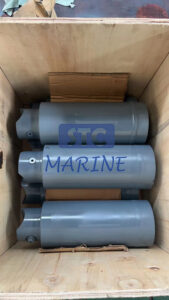
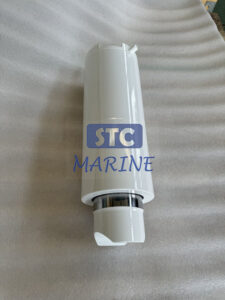
Hatch cover hydraulic jacks are specialized hydraulic cylinders designed to lift, move, and secure hatch covers on ships. They convert hydraulic energy—generated by pressurized fluid—into linear mechanical force.
Key Functional Characteristics
- High load-bearing capacity
- Smooth and controlled movement
- Corrosion-resistant construction
- Compatibility with marine hydraulic systems
- Integration with automated control systems
These jacks are engineered to withstand extreme marine conditions, including saltwater exposure, temperature fluctuations, and continuous mechanical stress.
How do Hatch Cover Hydraulic Jacks Work?
The working principle of hatch cover hydraulic jacks is based on Pascal’s Law, which states that pressure applied to a confined fluid is transmitted equally in all directions.
Step-by-Step Operation
- Hydraulic Pump Activation
The system produces pressurized fluid, usually hydraulic oil.
- Fluid Transmission
The pressurized fluid flows into the cylinder chamber.
- Piston Movement
The pressure pushes the piston to extend, creating linear motion.
- Hatch Cover Lifting
The extended piston lifts or moves the hatch cover.
- Controlled Retraction
Fluid is released or redirected, allowing the piston to retract and close the hatch.
Hydraulic Process Overview Table
| Stage | Function |
| Pressure Generation | A hydraulic pump creates fluid pressure |
| Fluid Distribution | Valves direct fluid to the cylinder |
| Force Conversion | Pressure converted into linear motion |
| Load Movement | Hatch cover lifted or lowered |
| System Reset | Fluid returns to the reservoir |
Types of Hatch Cover Hydraulic Jacks
Different vessel designs require different types of hydraulic jacks.
Common Types
| Type | Description | Application |
| Single-Acting Jack | Operates in one direction | ساده hatch systems |
| Double-Acting Jack | Operates in both directions | Large cargo vessels |
| Telescopic Jack | Multiple-step extension | Limited space installations |
| Rotary Hydraulic Jack | Converts hydraulic energy into rotational motion | Specialized hatch designs |
Each type is selected based on vessel size, hatch configuration, and operational requirements.
Key Design Considerations
A Hatch Cover Hydraulic Jack is an essential part of marine cargo systems, utilized to lift, support, and secure hatch covers on ships. Its design must guarantee dependability, safety, and durability during tough operating conditions.
- Load Capacity and Safety Factor
It must be engineered to manage the highest hatch cover weight, including the dynamic forces caused by ship motion.
Safety margins should be included to accommodate shock loads, wind forces, and uneven load distribution.
Compliance with marine classification standards is essential.
- Corrosion Resistance
Marine environments expose equipment to saltwater, humidity, and chemicals.
Use corrosion-resistant materials such as stainless steel or coated alloys.
Protective coatings and sealing systems are critical for longevity.
- Sealing and Leakage Prevention
High-quality seals prevent hydraulic oil leakage and contamination.
Double sealing systems may be used for added reliability.
Proper sealing guarantees consistent pressure and decreases maintenance requirements.
- Compact and Space-Efficient Design
Limited deck space necessitates compact jack configurations.
Integration with hatch systems without disrupting cargo operations.
Optimized geometry for effective force transmission.
- Pressure and Hydraulic System Design
Engineered to function under high hydraulic pressure with reliable performance.
Must incorporate pressure relief valves and safety controls.
Compatibility with the vessel’s hydraulic system is essential.
- Durability and Fatigue Resistance
Continuous operation under cyclic loads demands high fatigue strength.
Materials and welds must withstand repeated extension and retraction cycles.
Long service life reduces downtime and maintenance costs.
- Ease of Maintenance and Inspection
Accessible design for routine inspection and servicing.
Replaceable seals and components to simplify maintenance.
Monitoring systems can be integrated for condition tracking.
- Compliance with Marine Standards
Must fulfill requirements from classification societies (e.g., ABS, DNV, LR).
Designed in accordance with international maritime safety regulations.
Certification ensures reliability and operational safety.
Design Parameter Table
| Parameter | Importance |
| Load Capacity | Determines lifting ability |
| Corrosion Resistance | Ensures durability in marine conditions |
| Seal Integrity | Prevents leaks and contamination |
| Stroke Length | Defines الحركة range |
| Pressure Rating | Determines system performance |
Applications in the Marine Industry
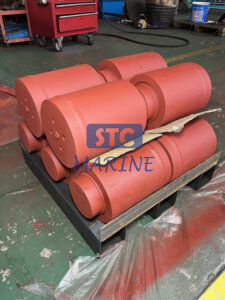
Hydraulic jacks for hatch covers are crucial parts of contemporary marine cargo handling systems. They mainly serve to generate linear force for the opening, closing, lifting, and securing of hatch covers on different vessels such as bulk carriers, container ships, and offshore vessels.
In the marine industry, these systems are essential for:
- Cargo handling operations: facilitating efficient loading and unloading at ports
- Watertight sealing: making sure hatch covers stay securely closed to prevent water ingress and safeguard cargo integrity
- Automation systems: they integrate with hydraulic control units, sensors, and valves to enable synchronized operation.
- Heavy-duty lifting: it involves handling large and heavy hatch panels under high-load conditions.
Hydraulic systems are popular because they can transform fluid pressure into strong linear motion, enabling accurate control of hatch cover movement even in tough marine environments.
Advantages of Hatch Cover Hydraulic Jacks
Hydraulic hatch cover jacks are commonly used in marine settings because of their excellent performance and dependability:
- High Power Density
Hydraulic systems produce substantial force in small sizes, making them perfect for managing heavy hatch covers on sizable ships.
- Precise and Smooth Control
Operators can accurately adjust speed, position, and force by regulating hydraulic pressure and flow, ensuring safe and steady operations even in turbulent sea conditions.
- Durability in Harsh Environments
Marine hydraulic jacks are built using corrosion-resistant materials such as stainless steel and coated alloys, allowing them to operate effectively over the long term in saltwater, humid conditions, and extreme temperatures.
- High Reliability and Safety
Hydraulic systems provide consistent performance under high pressure and heavy loads, minimizing the chances of mechanical failure and ensuring the safety of cargo handling.
- Low Maintenance Requirements
With fewer moving parts compared to mechanical systems, hydraulic jacks typically require less frequent maintenance and have longer service intervals.
Maintenance and Troubleshooting
Proper maintenance is crucial to guarantee the performance and durability of hatch cover hydraulic jacks.
Routine Maintenance
Hydraulic oil management involves regularly checking the oil level, cleanliness, and viscosity.
Seal inspection ensures that seals remain intact to prevent leakage.
Corrosion protection requires monitoring exposed metal parts and applying protective coatings.
Component lubrication involves maintaining moving parts such as joints and bearings.
System pressure checks: ensure stable hydraulic performance
Regular maintenance is critical, as poor upkeep can lead to leakage, cargo damage, or even vessel safety risks.
Common Issues & Solutions
| Issue | Possible Cause | Solution |
| Hydraulic leakage | Damaged seals / loose connections | Replace seals, tighten fittings |
| Slow operation | Low oil pressure / contaminated oil | Check the pump & replace the oil |
| Irregular movement | Air in the system/valve issues | Bleed system, inspect valves |
| Corrosion damage | Marine exposure | Apply anti-corrosion treatment |
Common Issues and Solutions
| Issue | Cause | Solution |
| Fluid leakage | Worn seals | Replace seals |
| Reduced lifting power | Low pressure | Check the pump and valves |
| Corrosion | Marine exposure | Apply protective coatings |
| Slow operation | Contaminated fluid | Replace fluid |
Comparison with Mechanical Systems
| Feature | Hydraulic Jacks | Mechanical Systems |
| Power Density | High | Low |
| Control Precision | Excellent | Limited |
| Maintenance | Moderate | High |
| Efficiency | High | Moderate |
Hydraulic systems clearly outperform mechanical alternatives in marine applications.
Future Trends (2026–2030)
The hatch cover hydraulic jack industry is evolving alongside broader maritime digitalization and sustainability trends.
- Smart & Connected Systems
Integration of sensors and IoT technologies enables:
- Real-time monitoring
- Predictive maintenance
- Remote diagnostics
These intelligent systems are becoming standard in modern vessels.
- Increased Automation
Automation will further reduce manual intervention, improving:
- Operational efficiency
- Safety
- Consistency in cargo handling
- Enhanced Corrosion Resistance
New materials and coatings are being developed to address challenges such as saltwater corrosion, which significantly impacts system reliability.
- Energy Efficiency & Sustainability
Future systems will focus on:
- Reducing energy consumption
- Optimizing hydraulic efficiency
- Supporting green shipping initiatives
- Modular & Customizable Design
Manufacturers are moving toward modular hydraulic systems that can be easily adapted to different vessel types and operational requirements.
FAQ: Hatch Cover Hydraulic Jacks
- What are hatch cover hydraulic jacks used for?
They are used to lift, move, and secure hatch covers on ships.
- How do hydraulic jacks improve safety?
They provide controlled motion and reduce manual handling risks.
- What maintenance is required?
Regular inspection, lubrication, and fluid replacement.
- Are hydraulic jacks suitable for all vessels?
Yes, but specifications vary depending on vessel size and design.
- What materials are used in hydraulic jacks?
Typically stainless steel and corrosion-resistant alloys.
Conclusion
Hatch cover hydraulic jacks are crucial parts of contemporary marine activities, allowing for safe, effective, and dependable management of heavy hatch covers. Their capacity to provide high قوة, accurate control, and resilience in tough conditions makes them vital in the shipping sector.
As technology progresses, these systems will keep developing, integrating intelligent monitoring, energy-saving features, and sophisticated materials. For marine engineers, shipbuilders, and B2B buyers, grasping the design, functioning, and enhancement of hatch cover hydraulic jacks is essential for attaining operational excellence and staying competitive in the worldwide maritime sector.