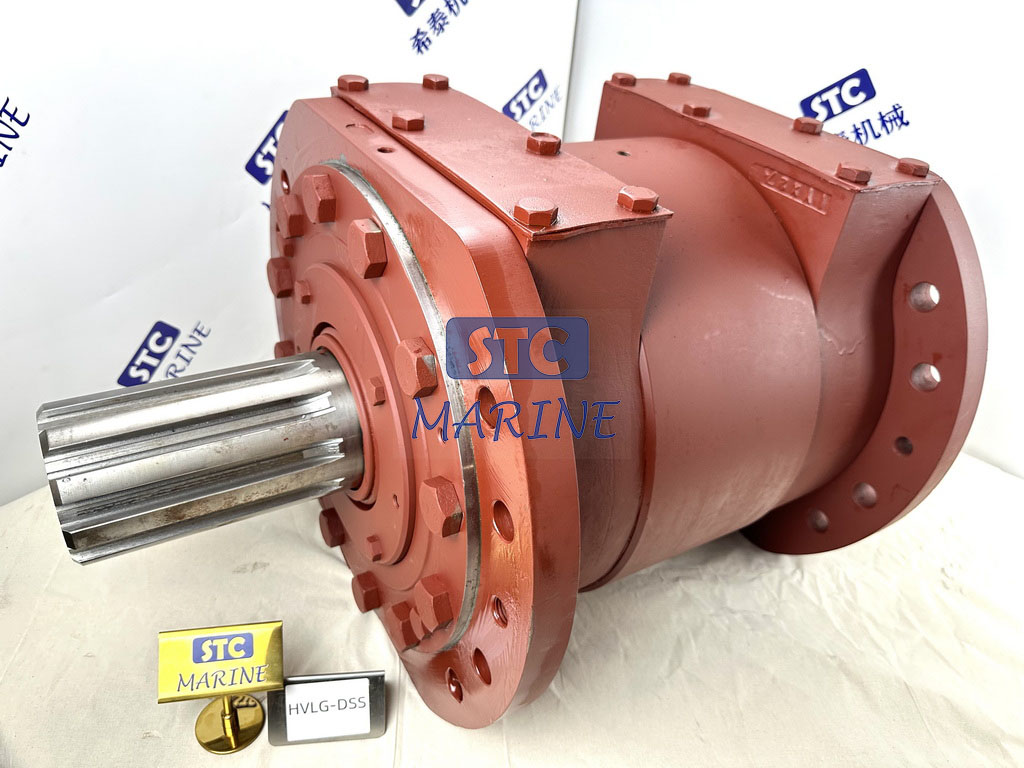


The gear pump is the most commonly used hydraulic pump in industrial and mobile hydraulic systems, thanks to its simple construction, cost-effectiveness, durability, and reliable performance in medium-pressure applications. According to Perry’s Chemical Engineers’ Handbook: Hydraulic Fluid Power – Fundamentals, Applications and Circuit Design and ISO 4413: Hydraulic Fluid Power Systems and Their Components, gear pumps are the preferred option for general hydraulic power transmission. Vane and piston pumps, on the other hand, are selected for applications requiring higher efficiency, lower noise, or high-pressure performance.
Introduction
Hydraulic systems power countless machines that are fundamental to modern industry, including excavators, agricultural tractors, injection moulding machines, CNC equipment, presses, marine vessels, and construction machinery. At the heart of every hydraulic system is the hydraulic pump, which is responsible for converting mechanical energy into hydraulic energy by generating fluid flow.
While numerous hydraulic pump designs have been developed over the past century, not all are equally suited to every application. Some prioritise low manufacturing cost and easy maintenance, while others focus on achieving higher operating pressures, greater efficiency, or superior flow control. Consequently, engineers and equipment manufacturers are often faced with an important question: Which hydraulic pump is the most commonly used?
The answer depends on balancing performance, operating conditions, maintenance requirements, and total lifecycle cost. This article explores the major types of hydraulic pumps, explains why gear pumps dominate many industries, and provides practical guidance on selecting the most appropriate pump for different hydraulic applications.
What Is a Hydraulic Pump?
A hydraulic pump is a mechanical device that converts the rotational mechanical energy supplied by an electric motor or an internal combustion engine into hydraulic energy in the form of fluid flow. Unlike compressors, which compress gases, hydraulic pumps move nearly incompressible hydraulic oil through a closed circuit.
It is important to understand that a hydraulic pump does not directly create pressure. Instead, it produces flow. Pressure only develops when this flow encounters resistance within the hydraulic system, for example, in cylinders, motors, valves, or other actuators.
The primary functions of a hydraulic pump include:
- Delivering hydraulic fluid throughout the system;
- Providing continuous oil circulation;
- Supplying energy to hydraulic actuators;
- Maintaining system efficiency;
- Supporting precise machine control.
Because hydraulic pumps operate continuously under demanding conditions, their design quality directly influences equipment performance, energy consumption, reliability, and maintenance costs.

What Is the Most Commonly Used Hydraulic Pump?
Of all the pump designs available today, the gear pump is the most commonly used hydraulic pump worldwide.
This is due to a combination of engineering simplicity, reliable performance, and economical manufacturing. Gear pumps can deliver a stable hydraulic flow under a wide range of operating conditions and require relatively little maintenance compared to more complex designs.
For this reason, gear pumps are widely installed in:
- Agricultural equipment
- Construction machinery
- Material handling equipment
- Industrial presses
- Machine tools
- Forestry equipment
- Hydraulic power units
- Mobile hydraulic systems
Although vane and piston pumps offer important advantages in specific applications, gear pumps continue to dominate general-purpose hydraulic systems where reliability and affordability are the primary considerations.
Why Gear Pumps Are So Widely Used?
Several technical characteristics explain why gear pumps remain the industry standard for many hydraulic applications.
-
Simple Mechanical Design
Gear pumps typically consist of only a few major moving components:
- Driving gear
- Driven gear
- Housing
- Bearings
- Shaft seals
This straightforward construction minimizes manufacturing complexity while reducing the number of wear components that require maintenance.
A simpler internal structure also improves operational reliability over extended service periods.
-
Excellent Reliability
Hydraulic systems frequently operate in demanding environments involving dust, vibration, temperature fluctuations, and continuous workloads.
Gear pumps tolerate these conditions remarkably well due to their rugged construction.
Even after years of operation, properly maintained gear pumps often continue delivering stable hydraulic performance with minimal efficiency loss.
-
Cost-Effective Solution
Compared with piston pumps, gear pumps are significantly less expensive to manufacture and maintain.
Lower production costs translate into:
- Lower equipment prices
- Reduced replacement costs
- Affordable spare parts
- Simplified maintenance procedures
For manufacturers producing large numbers of hydraulic machines, these economic advantages are substantial.
-
Easy Maintenance
Because of their relatively simple internal design, technicians can inspect, repair, or replace many gear pump components quickly.
Maintenance tasks typically include:
- Seal replacement
- Bearing inspection
- Gear wear evaluation
- Housing inspection
- Oil contamination monitoring
Routine maintenance procedures require less specialized expertise than servicing more sophisticated hydraulic pumps.
-
Stable Performance
Although gear pumps cannot always match the efficiency of advanced piston pumps, they provide highly consistent flow characteristics under normal operating conditions.
This stable output makes them particularly suitable for machinery where precise variable displacement is not required.
Comparison of the Three Main Hydraulic Pump Types
Modern hydraulic systems primarily utilize three categories of pumps: gear pumps, vane pumps, and piston pumps. Each offers unique performance characteristics suited to different pressure ranges, efficiency requirements, and operating environments.
| Pump Type | Advantages | Limitations | Typical Applications |
| Gear Pump | Simple design, low cost, durable, easy maintenance | Fixed displacement, moderate efficiency, medium pressure | Construction equipment, tractors, hydraulic power units, and industrial machinery |
| Vane Pump | Low noise, smooth flow, good efficiency | More sensitive to oil contamination | Injection molding, machine tools, manufacturing equipment |
| Piston Pump | Very high pressure, high efficiency, variable displacement options | Higher cost, complex maintenance | Excavators, mining equipment, aerospace, heavy industrial machinery |
When Are Other Hydraulic Pumps Better?
Although gear pumps dominate many applications, they are not always the optimal solution.
-
Vane Pumps
Vane pumps provide smoother flow with lower pressure pulsation and reduced operating noise. They are commonly selected for manufacturing environments where precise hydraulic control and quieter operation are important.
Applications include:
- Plastic injection molding machines
- CNC machining centers
- Industrial automation
- Die-casting equipment
-
Piston Pumps
Piston pumps represent the highest-performance hydraulic pump technology.
Their advantages include:
- Very high operating pressures
- Excellent volumetric efficiency
- Variable displacement capability
- Outstanding energy efficiency
- Precise flow control
These characteristics make piston pumps the preferred choice for demanding heavy-duty equipment operating under continuously changing loads.
Examples include:
- Large excavators
- Mining machinery
- Marine hydraulic systems
- Aerospace hydraulic equipment
- High-performance industrial presses

How to Choose the Right Hydraulic Pump?
Selecting the most suitable hydraulic pump requires evaluating the complete hydraulic system rather than simply choosing the highest-pressure or lowest-cost model. Engineers should consider system pressure, required flow rate, duty cycle, hydraulic fluid characteristics, environmental conditions, maintenance requirements, and long-term operating costs. A properly matched pump improves machine efficiency, reduces energy consumption, and extends component life.
-
Determine the Required Operating Pressure
Pressure is one of the most important selection criteria. Medium-pressure systems used in agricultural equipment or hydraulic power units often perform well with gear pumps, while high-pressure applications such as mining equipment, heavy presses, or advanced construction machinery generally require piston pumps. Selecting a pump with an appropriate pressure rating helps ensure both safety and durability without unnecessary investment.
-
Match the Required Flow Rate
Hydraulic flow determines actuator speed. If the pump delivers insufficient flow, cylinders and hydraulic motors will operate slowly, reducing productivity. Excessive flow, however, may increase energy consumption, generate unnecessary heat, and require larger hydraulic components. Proper flow matching improves system efficiency while maintaining stable machine performance.
-
Evaluate Duty Cycle and Working Environment
Continuous industrial production places different demands on hydraulic pumps than intermittent mobile equipment. Factors such as ambient temperature, dust, humidity, vibration, and operating hours all influence pump selection. Pumps operating in harsh environments should feature durable sealing systems, wear-resistant internal components, and reliable lubrication to ensure long service life.
-
Consider Maintenance and Lifecycle Cost
The purchase price represents only part of the total cost of ownership. Maintenance frequency, spare parts availability, energy efficiency, and expected service life often have a greater impact on long-term operating expenses. Equipment that minimizes downtime and simplifies servicing typically delivers better overall value throughout its operating life.
Typical Applications of Hydraulic Pumps
Hydraulic pumps support countless industrial and mobile systems by providing controlled hydraulic power. Different industries prioritise different performance characteristics, depending on operating conditions and production requirements.
Construction machinery: Excavators, loaders, bulldozers, cranes, and concrete pumps.
Agricultural equipment: Tractors, harvesters, seeders, and irrigation machinery.
Manufacturing:
- Hydraulic presses
- Injection moulding machines
- CNC equipment
- Automated production lines
Material handling:
- Forklifts
- Lifting platforms
- Pallet trucks
- Warehouse automation
Marine engineering:
- Steering systems
- Deck machinery
- Winches
- Offshore equipment
Energy and mining: Drilling equipment, mining machinery, hydraulic support systems and heavy industrial installations.
Each application requires a balance of pressure capability, flow stability, efficiency, and reliability.
Hydraulic Pump Selection by Industry
| Industry | Recommended Hydraulic Pump | Primary Reason |
| Construction Equipment | Gear Pump / Piston Pump | Durability and high-pressure capability |
| Agriculture | Gear Pump | Cost-effective and reliable continuous operation |
| Manufacturing | Vane Pump / Piston Pump | Smooth flow and precise hydraulic control |
| Injection Molding | Vane Pump | Low noise and stable pressure |
| Mining | Piston Pump | High pressure and superior efficiency |
| Marine Engineering | Piston Pump | Reliable performance under demanding operating conditions |
| Material Handling | Gear Pump | Simple maintenance and dependable performance |
Common Mistakes When Selecting Hydraulic Pumps
Many hydraulic system problems originate during the equipment selection stage rather than during operation. Avoiding these common mistakes helps improve system reliability and reduce maintenance costs.
-
Choosing Based Only on Price
Selecting the least expensive hydraulic pump may reduce initial investment but often increases maintenance costs, energy consumption, and equipment downtime over the pump’s service life.
-
Ignoring Hydraulic Fluid Compatibility
Different hydraulic fluids have varying viscosity characteristics and chemical properties. The selected pump should be compatible with the intended hydraulic oil to ensure proper lubrication and seal performance.
-
Overlooking Future Capacity Requirements
Machines frequently undergo production upgrades or increased workloads. Selecting a hydraulic pump with reasonable performance margins can accommodate future operational demands without requiring a complete system redesign.
-
Neglecting Maintenance Accessibility
Even highly reliable pumps require periodic inspection and servicing. Pumps installed in locations that restrict maintenance access may increase downtime and maintenance costs over the equipment’s lifecycle.
Frequently Asked Questions (FAQ)
- What is the most commonly used hydraulic pump?
The gear pump is the most widely used hydraulic pump because it combines simple construction, reliable performance, affordability, and easy maintenance for a broad range of industrial and mobile hydraulic systems.
- What is the difference between a gear pump and a piston pump?
Gear pumps are simpler and more economical, making them ideal for medium-pressure applications. Piston pumps provide higher pressure, greater efficiency, and variable displacement capabilities for demanding hydraulic systems.
- Which hydraulic pump is the most efficient?
Piston pumps generally offer the highest volumetric and mechanical efficiency, particularly in high-pressure applications requiring precise flow control.
- How long does a hydraulic pump last?
Service life depends on operating conditions, maintenance quality, hydraulic fluid cleanliness, and system design. Proper maintenance and contamination control can significantly extend pump lifespan.
- Can hydraulic pumps operate continuously?
Yes. Many hydraulic pumps are designed for continuous-duty operation, provided they are correctly sized, adequately cooled, and maintained according to manufacturer recommendations.
- How do I choose the right hydraulic pump?
Selection should be based on system pressure, required flow rate, operating environment, hydraulic fluid compatibility, efficiency requirements, maintenance considerations, and the total cost of ownership rather than purchase price alone.
Conclusion
The hydraulic pump forms the basis of every hydraulic power system, so selecting the right type is crucial for ensuring optimal performance, efficiency, reliability, and long-term operating costs. Although gear pumps are the most commonly used option due to their robust design, affordability, and reliable performance, vane and piston pumps offer significant advantages for applications requiring smoother operation, higher pressures, or greater control precision.
Successful hydraulic system design requires balancing pressure, flow rate, operating environment, maintenance requirements, and future production needs. Working with experienced component suppliers and selecting high-quality hydraulic accessories also contributes to overall system reliability. Durable sealing and vibration-control components from manufacturers such as Jianqing Rubber, for example, can support stable hydraulic system operation and improve equipment longevity when integrated into well-designed hydraulic assemblies.