

Abstract:
Hydraulic lifting systems are now vital tools in heavy industries, construction, marine engineering, and transportation. Hydraulic jacks are commonly employed within these systems to safely and effectively raise heavy loads by transforming hydraulic pressure into mechanical force.
In the maritime sector, Hatch Cover Hydraulic Jacks are crucial for maintaining and operating ship hatch covers. Cargo ships depend on large steel hatch covers to safeguard goods stored in cargo holds. These covers are very heavy and need to be lifted safely during maintenance, inspection, and repair activities. Therefore, specialized hydraulic jacks are employed to lift, support, and position hatch covers without damaging the structure or creating safety hazards.
Hydraulic jacks are typically divided into three main categories: bottle jacks, floor jacks, and hydraulic toe jacks. Although they all function on similar hydraulic principles, they are tailored for various lifting situations and load requirements. These lifting devices utilize pressurized hydraulic fluid inside a cylinder to produce strong lifting forces that can support very heavy weights.
This comprehensive guide examines the three primary types of hydraulic jacks, details their operating principles, contrasts their structural designs, and evaluates their industrial uses—particularly in marine operations involving Hatch Cover Hydraulic Jacks. The article also discusses safety considerations, maintenance procedures, and technological advancements that are influencing the future of hydraulic lifting equipment.
Understanding Hydraulic Jack Technology
What Is a Hydraulic Jack?
A hydraulic jack is a device that uses hydraulic pressure to lift heavy objects mechanically. It functions according to Pascal’s Law, which explains that pressure applied to a confined fluid is transmitted equally in all directions. When hydraulic fluid is pumped into a cylinder, it increases the pressure within the chamber and pushes the piston upward. This action produces a lifting force that can elevate heavy equipment, vehicles, or industrial structures.
Hydraulic jacks are widely used in industries where large loads must be lifted with controlled precision.
Basic Components of Hydraulic Jacks
Hydraulic jacks contain several key mechanical and hydraulic components.
Core Components of Hydraulic Jack Systems
| Component | Function |
| Hydraulic cylinder | Houses the pressurized fluid |
| Piston or ram | Moves upward to lift loads |
| Pump mechanism | Generates hydraulic pressure |
| Hydraulic fluid | Transfers pressure through the system |
| Release valve | Controls the lowering of the load |
These components work together to produce a controlled lifting motion.
What Are the Three Types of Hydraulic Jacks?
Hydraulic jacks can be categorized into three main types depending on their structure and lifting application.
- Bottle hydraulic jacks
- Floor hydraulic jacks
- Toe hydraulic jacks
Each type offers unique advantages depending on load conditions and workspace constraints.
Type 1: Bottle Hydraulic Jacks
- Structure and Design
Bottle hydraulic jacks are called after their vertical, bottle-shaped form. These jacks feature a vertical hydraulic cylinder attached to a strong base. Due to their compact design, bottle jacks can produce very high lifting forces while taking up relatively little space.
- Working Principle
The operator pulls a handle attached to a hydraulic pump, pushing fluid into the main cylinder. As pressure increases, the piston elevates and raises the load on the jack.
Bottle jacks are recognized for their strong lifting ability and long-lasting durability.
- Industrial Applications
Bottle jacks are commonly used in:
- Truck repair and maintenance
- Heavy equipment servicing
- Construction machinery lifting
- Marine maintenance operations
In shipyards, bottle-style hydraulic jacks are sometimes integrated into Hatch Cover Hydraulic Jack systems to lift cargo hatch panels during inspections.
Type 2: Floor Hydraulic Jacks
- Design Characteristics
Floor hydraulic jacks are commonly utilized in automotive repair shops. They consist of a horizontal hydraulic cylinder attached to a lifting arm and equipped with wheels. This configuration enables the jack to move smoothly beneath vehicles.
- Operational Advantages
Floor jacks provide:
- Fast lifting operation
- Stable support platforms
- Easy positioning under loads
Although commonly associated with automotive repair, larger industrial floor jacks can also be used in ship maintenance operations.
- Typical Applications
Common uses include:
- Automotive repair shops
- Industrial equipment maintenance
- Aircraft ground servicing
- Mechanical workshops
However, floor jacks are less common in marine hatch operations due to height restrictions and load distribution challenges.
Type 3: Toe Hydraulic Jacks
- Unique Structural Design
Toe hydraulic jacks have a low-profile lifting toe positioned close to the base of the jack. This design enables the jack to raise loads with very little ground clearance.
This feature is highly beneficial in scenarios where conventional jacks cannot fit beneath heavy machinery.
- Lifting Capability
Toe jacks can lift heavy loads using either:
- The toe lifting point
- The top lifting surface
This dual lifting capability makes them highly versatile.
- Industrial Applications
Toe hydraulic jacks are widely used in:
- Machinery installation
- Industrial equipment relocation
- Shipbuilding operations
- Heavy cargo handling
In maritime engineering, toe jacks are often incorporated into Hatch Cover Hydraulic Jack systems to raise hatch covers slightly before maintenance work begins.
Hatch Cover Hydraulic Jacks in Marine Engineering
What are hatch cover hydraulic jacks?
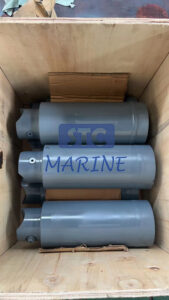
Hatch cover hydraulic jacks are specialized hydraulic lifting systems created specifically for maintaining ship cargo hatch covers.
Cargo ships have large hatch covers that seal cargo holds to safeguard goods from weather and seawater.
During maintenance or repair operations, these covers must be lifted safely.
Why are hatch cover hydraulic jacks necessary?
Hatch covers are extremely heavy steel structures.
Manual lifting methods are impractical and dangerous.
Hydraulic jacks provide controlled lifting force and ensure worker safety.
Benefits include:
- Precise lifting control
- High load capacity
- Reduced manual labor
- Improved maintenance safety
Comparison of the Three Hydraulic Jack Types
Hydraulic Jack Type Comparison
| Type | Structure | Best Application | Load Capacity |
| Bottle jack | Vertical cylinder | Heavy equipment lifting | Very high |
| Floor jack | Horizontal wheeled design | Automotive repair | Medium to high |
| Toe jack | Low-profile lifting toe | Machinery relocation | High |
Each type serves different industrial needs.
Advantages of Hydraulic Jack Systems
Hydraulic jack systems are commonly employed across various industries because of their effectiveness, dependability, and capacity to elevate very heavy loads with little manual effort.
- High Lifting Power
Hydraulic systems are capable of producing substantial lifting forces with comparatively low input force, enabling operators to safely move heavy machinery or vehicles.
- Smooth and Controlled Operation
Hydraulic jacks enable smooth and controlled lifting and lowering, enhancing safety during operation and minimizing the chance of abrupt load shifts.
- Compact Design with High Capacity
Hydraulic jacks typically offer greater load capacity in a smaller, more compact design compared to purely mechanical lifting systems.
- Versatility Across Industries
Hydraulic jacks are versatile tools utilized across various industries, including automotive repair, construction, manufacturing, railway maintenance, and industrial equipment installation.
- Reliability and Durability
With proper maintenance, hydraulic jack systems offer long service life and consistent performance even under demanding working conditions.
Safety Considerations for Hydraulic Jack Operations
Operating a Hydraulic Jack demands careful adherence to safety procedures to avoid accidents, damage to equipment, or load instability. When lifting heavy vehicles or industrial machinery, proper use and maintenance are crucial.
- Verify Load Capacity
Always ensure that the hydraulic jack’s rated lifting capacity exceeds the weight of the object being lifted. Overloading can harm the hydraulic system and lead to hazardous operating conditions.
- Use a Stable Lifting Surface
Place the jack on a solid, level surface. Soft or uneven ground may cause the jack to tilt or collapse during lifting.
- Position the Jack Correctly
The jack should be placed at the manufacturer’s recommended lifting points on the vehicle or equipment. Incorrect positioning can lead to load imbalance or structural damage.
- Use jack stands to support the load
A hydraulic jack is mainly intended for lifting purposes and not for supporting loads over an extended period.
Once the load is lifted, additional safety measures like jack stands should be employed.
- Check the equipment before using it
Periodically examine for leaks in hydraulic oil, damaged seals, bent parts, or unstable foundations.
Identifying issues early can help avoid unexpected breakdowns.
- Do not work beneath a load that is not supported
Never place any part of the body beneath a load that is supported only by a jack. Always ensure additional mechanical supports are in place.
Maintenance of Hydraulic Jacks
Proper maintenance ensures a long equipment lifespan.
Recommended Maintenance Practices
| Maintenance Task | Purpose |
| Hydraulic fluid inspection | Prevent pressure loss |
| Seal replacement | Prevent leakage |
| Cylinder inspection | Ensure lifting stability |
| Pump mechanism lubrication | Maintain smooth operation |
Regular servicing prevents operational failure.
Future Innovations in Hydraulic Jack Technology
Advances in engineering and automation are fueling innovations in hydraulic lifting equipment. Future hydraulic jack systems are anticipated to be more efficient, smarter, and safer to use.
- Smart Monitoring Systems
Contemporary designs might include digital sensors that track pressure, load weight, and lifting height instantly. These systems have the ability to notify operators of possible overload situations.
- Electrically Assisted Hydraulic Systems
Some newer jacks incorporate electric pumps that automate the lifting process, enhancing efficiency and decreasing manual effort.
- Lightweight High-Strength Materials
Manufacturers are investigating advanced alloys and composite materials to lower the overall weight of jacks while preserving high load capacity.
- Enhanced Safety Mechanisms
Future designs might feature automatic locking systems, improved pressure relief valves, and fail-safe mechanisms that stop sudden load drops.
- Integration with Automated Maintenance Equipment
Hydraulic jacks can be incorporated into automated maintenance systems in industrial settings to lift heavy machinery with little human involvement.
FAQ: Hydraulic Jacks and Hatch Cover Hydraulic Jacks
What are the three types of hydraulic jacks?
The three main types are bottle jacks, floor jacks, and toe hydraulic jacks.
What is a Hatch Cover Hydraulic Jack?
A Hatch Cover Hydraulic Jack is a specialized lifting device used in maritime operations to lift and support cargo hatch covers during maintenance.
Why are hydraulic jacks used in ships?
Hydraulic jacks provide the lifting force necessary to safely raise heavy hatch covers for inspection and repair.
What is the lifting principle of hydraulic jacks?
Hydraulic jacks operate based on Pascal’s Law, where pressure applied to hydraulic fluid generates a lifting force.
Which hydraulic jack type is best for heavy machinery?
Bottle jacks and toe jacks are commonly used for lifting heavy industrial equipment.
Conclusion
Hydraulic jacks are robust lifting tools commonly employed across various industries, including automotive repair, heavy engineering, and maritime activities. The main categories of hydraulic lifting equipment are bottle jacks, floor jacks, and toe jacks. Each category is tailored for particular uses, providing distinct structural benefits and lifting strengths.
In marine environments, Hatch Cover Hydraulic Jacks are crucial for ensuring the safety and proper operation of cargo vessels. These hydraulic systems enable ship maintenance crews to lift very heavy hatch covers accurately and safely, facilitating effective inspection and repair work. Without hydraulic lifting systems, the upkeep of modern cargo ships would be much more challenging and risky.
As hydraulic engineering technologies continue to advance, the future of hydraulic jacks will probably feature more intelligent monitoring systems, enhanced safety features, and more efficient lifting mechanisms. These advancements will further improve the reliability and performance of hydraulic lifting systems across various industrial sectors globally.