

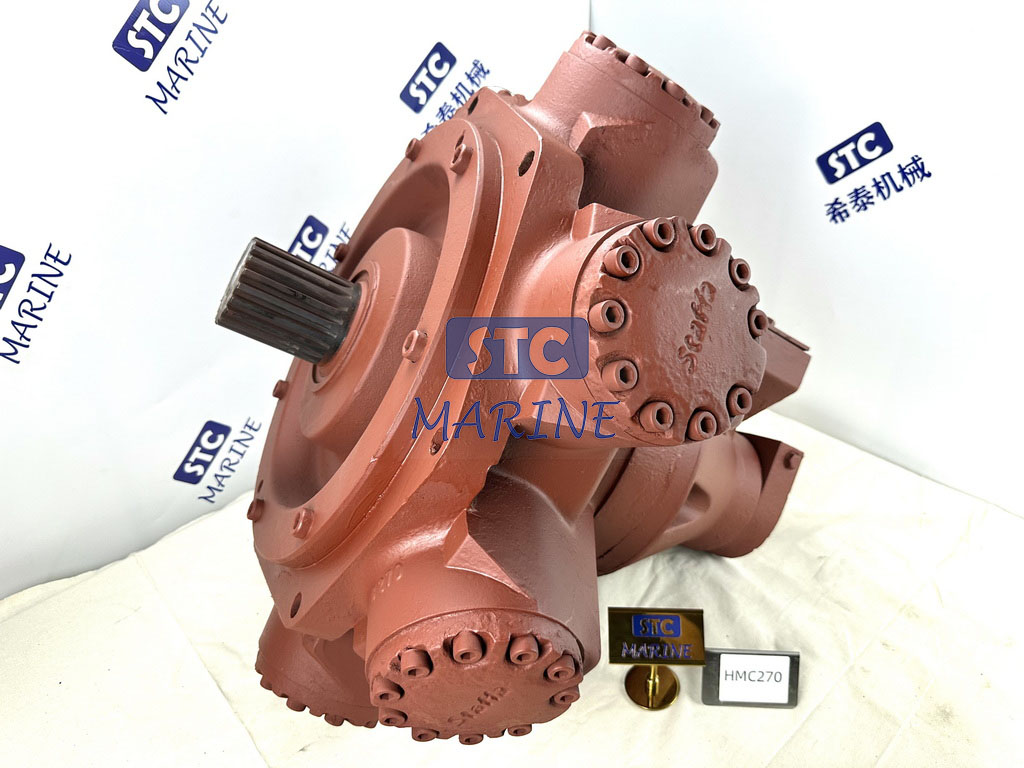
Today, modern commercial harbors and marine transportation utilize hatch covers that are hydraulically operated. These covers are crucial to the safe, efficient, and watertight operation of cargo vessels. These hydraulic devices ensure that large covers that are typically several tons heavy are positioned, sealed, and connected to a motion system that is controlled. When properly cared for, they directly contribute to the safeguarding of cargo, the safety of vessels, and the achievement of international standards like the International Convention for the Safety of Life at Sea (SOLAS).
This comprehensive guide explains:
- What hatch cover hydraulic cylinders are
- How they operate within hatch cover systems
- Types and configurations
- Design and construction principles
- Maintenance and safety considerations
- Troubleshooting common issues
- Selection criteria and specifications
- Let’s begin by defining the component.
What Are Hatch Cover Hydraulic Cylinders?
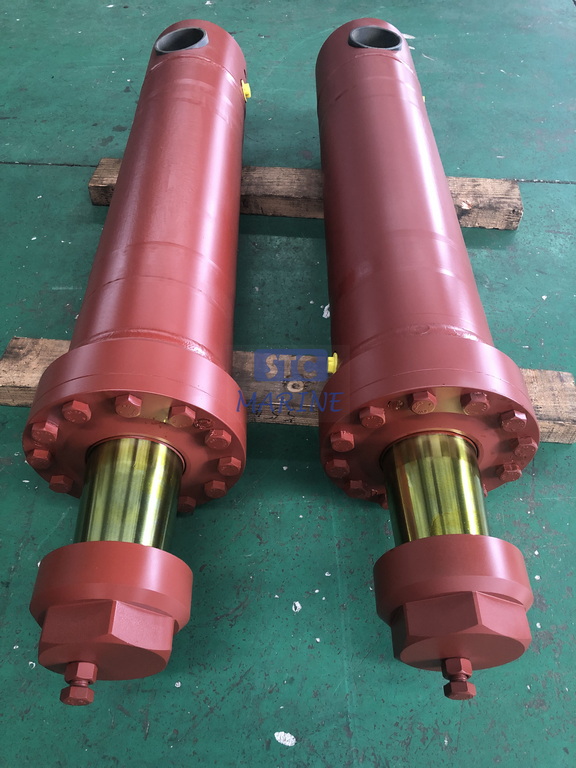
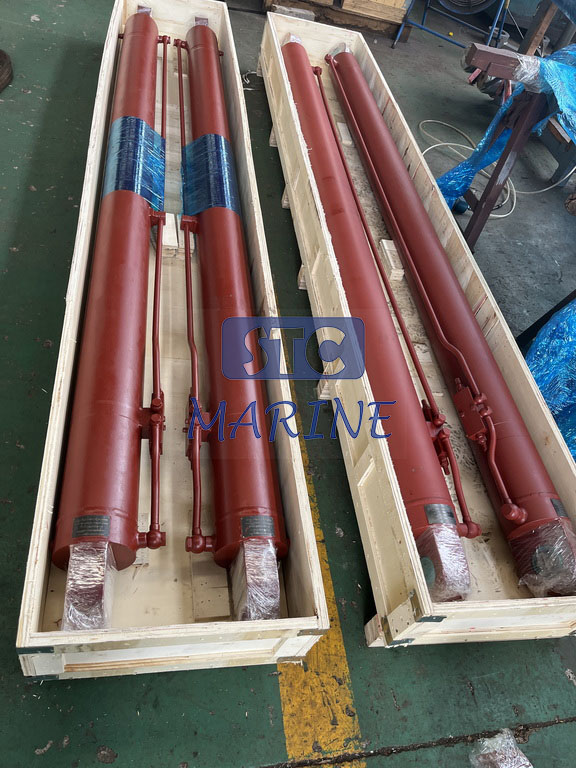
Hatch covers are hydraulically operated by cylinders that are built into the deck of a vessel. These cylinders are equipped with a spring that opens, closes, and holds the hatches. Ships that transport large quantities of cargo, containers, or other goods employ covers that seal the cargo space against the ocean’s encroachment. Hydraulic cylinders function as the muscle and control necessary to transport covered, heavier panels, while also providing a pre-programmed, controlled motion with safety features.
These cylinders convert the pressure of the fluid into motion in a linear direction. They’re typically combined with a hydraulic system that includes pumps, valves, reservoirs, filters, piping, and control components.
In the marine environment, hatch covers that are hydraulically actuated must have stringent requirements:
The resistance to corrosion in a marine environment.
High capacity for large flocks of hatchlings
Precision control of motion that is water-resistant.
Robustness to repeated operations
Why are hydraulics used for Hatch Covers?
Before we discuss varieties of cylinders, it’s essential to understand why hydraulic power is more popular than mechanical or electric power in hatchback systems:
-
High Force Density
Raulic systems have a large capacity that is proportional to their size. Hatch covers on bulk vessels or containers have a weight of several tons, and linear hydraulic cylinders are responsible for providing the necessary pressure and motion without being associated with mechanical parts.
-
Smooth, Direct Motion
Hydraulic systems have the capacity to regulate the velocity, acceleration, and placement of motion with a specific degree of control. This is of great significance to accomplish it:
Even the practice of associating or disassociating with seals.
Gentle motion that avoids structural damage.
Safe operation during the initial and final stages.
-
Configuration flexibility
The piping system is more easily maneuvered across decks and structures than it is with mechanical shafts or connections that are solid connections. This is beneficial for reconfiguring vessels or creating a modular setup with hatches.
- Robustness in Conditions that are Disfavorable
Raulic systems have a superior capacity to withstand shock, vibrations, and temperature changes than other mechanical systems. With effective shielding and preservation, they still have a functional role in the harshest of offshore and cargo situations.
Basic Components of a Hatch Cover Hydraulic Cylinders System
A hatch cover that functions as a hydraulic cylinder is never alone; it’s part of a system that is coordinating.
-
The Cylinder’s Body
The composition comprises:
Cylinder’s barrel – this is the space for the rodent, and it houses a pressurized oil chamber.
Theiston and its rod- this converts pressure from a fluid into motion.
Cylinder’s end caps – the points of attachment and interfaces for sealant.
Rod end bearing – this is what causes the force to be transferred to the cover’s association with the hatch.
Materials typically contain high-quality steels that have been marine-dated or stainless steel to prevent corrosion.
-
Raulic power module (HPM)
The HPU is comprised of:
Water pump(s) – electric or diesel-operated
Reservoir/ Tank – stores hydraulic fluid.
Filters – prevent the system from being contaminated.
Pressure gauges and sensors – evaluate the viability of the system.
The HPU supplies pressurized fluid to the cylinders.
-
Control Valves and Manifolds
Control valves direct the flow:
Direction of the flow (up/down)
The velocity (fast travel)
Extremes of pressure ( safety )
Manifolds facilitate the centralization of Valve Assemblies and reduce the difficulty of piping.
-
Chain or Actuation Links
Cylinders have communication with hatches via mechanical interfaces, rotary motion, chain drives, or lever systems, all of which are contingent on the type of cover that is employed.
-
Sealing andensing instruments
Seals – prevent the transmission of fluids and maintain pressure.
Indicators/ Sensors – confirm the location and status of the eggs.
Combining a security system with an alarm increases safety.
Types of Hatch Cover Hydraulic Cylinders
The cylinders used in hydroponic systems that have covers are different:
-
Single-Acting Cylinders with hydraulics
Use the pressure of the fluid to move in a single direction (typically, extension).
Return motion is supported by springs or additional weight.
Adept at performing basic actions that seal or clamp.
However, the significant weight and precise nature of the project resulted in a decrease in the number of single-acting types for major travel in the hatch.
-
Two-Acting Cylinders with hydraulics
The most common style of covering hatching:
Apply pressure to the fluid in both the extension and the retraction.
Allow for a limited amount of movement in either direction.
More effective for heavier-duty panels and precise paneling.
Two-acting designs are responsible for providing a dependable experience in different load scenarios.
-
telescopicraulic cylinders
Telescopic cylinders have multiple levels of protection:
Allow for a longer period of travel in restricted spaces.
Helpful on vessels that have a limited amount of decking space, but a large opening is necessary in the hatch.
Provide a variety of levels of motion that are manipulated.
Often utilized when a significant stroke distance is desired without necessitating a large footprint in the cylinder.
-
Custom/ heavy volume cylinders
Vessels that require additional hydraulic cylinders are recognized.
Increasing the bore size and rod diameter will facilitate an increase in the capacity for load.
Enhanced seals that can withstand high pressure
Unique protective or supplementary coating for environments that have a lot of corrosion.
Designers specialize in creating these for specific types of vessels (VLCC, ULCC, or transport of ore).
Materials and Corrosion Protection
In marine habitats, steel is infamously attacked, which causes the hatch cover to commonly be utilized:
High-powered carbon steel is the core material used for structural purposes.
The chrome coating on rodents’ bodies increases their corrosion and wear resistance.
Epoxy or polyurethane coating – protects the container from direct contact.
Components made of stainless steel are employed for seals and fasteners
The choice of the appropriate materials has a significant impact on the service life and decreases the need for cleaning.
How Hatch Cover Hydraulic Cylinders Work — Step by Step
-
Initiation
The operator (bridge, cargo control room) initiates the hatch’s cover; this is typically accomplished via a mechanical panel or PPLC.
-
HPU Induction
Hydraulic pumps increase the pressure of the fluid, which then travels through the control valves and reaches the cylinders.
-
Directional Control
Directional valves control whether or not cylinders are expanded or contracted.
Extend — draw out the hatches’ covering towards/closer.
Retreat — causes the panels to return to a closed or sealed position.
Modern systems may utilize proportional valves that regulate the movement of small angles.
-
Motion and Association Interaction
Cylinders facilitate the movement of the connected links or chains, and move the cover of the hatch in relation to the cargo hold’s entrance.
-
Sealing and locking
When the entire system is inactive:
The pressure from the cylinders causes the cover to push into position against the frame (hatch cover).
Seals have a tendency to compact, which creates a water-resistant barrier.
Indicators indicate the condition that’s been attained.
After retraction, the panels are completely accessible and have a tendency to persist in their position, which is intended for the transportation of cargo.
Types of Hatch Cover Hydraulic Cylinders Application
The variety of hatch covers determines the way cylinders are deployed:
-
Side-slipping Egg Caps
Panels travel in a backwards direction on tracks.
Cylinders facilitate motion that is assisted by pressure.
Frequently associated with pre-established associations or structures.
-
Articulated Caps or Folding Caps
Panels are similar to the accordion’s components in arrangement.
Several cylinders participate in the orchestration of the sequence of folding.
-
Pontoon or Lift-Off Decorations
Large rectangular sheets that rise vertically.
Heavy-duty containers or systems that are pressurized require
Each type of hatch has unique requirements regarding the size of the cylinders, the length of the strokes, and the configuration of installation.
Hydraulic Circuit Design and Control Logic
Effective hydraulic design promotes:
Adequate pressure and flow — proportional to the volume and weight of the cylinders.
Safety relief valves – prevent pressure too high
Load-holding valves – prevent accidental displacement.
Sequencing valves – they ensure a comprehensive representation of multiple cylinders.
E-commerce employs electronic technology to automate sequences, have limitations on torques, or operate in conjunction with automated shipboard systems.
Maintenance Practices for Longevity
Routine maintenance is essential:
-
Fluid Care of Raulic Kinds
Constant observation of the fluid’s properties and composition.
Changes to scheduled procedures that are predatory.
Water pollution detection
-
Seal and Rod Inspection
Visual detection of flaws or huecos
Change the schedule in order to avoid taking preventative action.
-
Cylinder Support and Associations
Constantly monitors the accessibility.
Inspection of the alignment or wear.
-
System Testing and Calibration
Functional testing during an already loaded application.
The calibration of the sensor position and the limit switch.
Effective maintenance promotes scheduled stops and ensures the safety of cargo.
Common Issues and Troubleshooting
-
Leaks and a decrease in pressure
Examine the seals, quickeners, and the hose’s capabilities.
Diagnose the decrease in pressure with instruments.
-
Sluggish or uneven motion
Review the consistency of the fluid ( temperature dependence )
Review the filters and the pump’s output.
-
Cylinder Count or Incidental Walk
probable internal leakage
Recommended the function of holding the load during repairs.
-
Corrosion-induced Tendency
Review the options for coating and preventing corrosion.
Mechanical lubrication or repositioning of rodents is necessary.
Technical manuals for vessels should include documented methods for addressing problems.
Safety and Compliance Considerations
Hydraulic systems are susceptible to attacks that lack protection:
Being unable to communicate or access the outside world during repairs.
Pressure relief devices that prevent the pressure from being exceeded.
Allowing a disaster to halt
Violation of the SOLAS, lack of compliance with the flag, and misclassifying the society’s rules appropriately.
Safe risk assessments that precede the practical application of a crew’s safety ensure the safety of the crew.
Specification and Sizing Criteria
When selecting cylinders, consider:
Bore and rod diameter have an effect on the force capacity.
Stroke length — takes into account the demands of covering travel in hatches.
Operating pressure — typically 100-250 bar in marine systems.
The interface between the eye and the clevis — as well as the eye and the flange- is referred to as the mounting interface.
Environmental ratings — the degree of safety provided, corrosion prevention
Many manufacturers provide graphs and calculators that can be used to size.
Retrofitting and Upgrades
Vessels that are aging often need to be upgraded:
Substitute mechanical connections with hydraulics to automate.
Convert to a proportional controller for a smoother motion.
Combine with a PLC and monitor conditions.
Retrofitting increases the reliability of the system and can reduce the cost of operation or fuel by speeding up the cargo transport.
Case: Bulk Carrier Hatch Cover Systems
On larger vessels, hatches must have the ability to resist significant seas and high pressure. Hydraulics compartments in this context:
Seal the hatches to prevent them from being pecked.
Help keep the structural integrity of the building in adverse conditions.
Combine remote monitoring and comprehensive systems.
Performance tests—water tightness tests, load tests—test the efficiency of the cylinders and the seals before escaping from the port.
Future Trends in Hatch Cover Hydraulics
Emerging issues include:
Smart hydraulic systems that have diagnostics.
Electro-hydraulic hybrid movers are intended to reduce energy expenditure.
Control systems that are remote and automated, combined with the overall automation of a vessel.
More complex coatings and materials- these have a longer lifespan in harsh environments.
Vessel operators have increasingly sought out systems that gather information and have a preemptive approach to maintenance.
Conclusion
Cylinder hatches for hire are crucial to the modern fleet management of vessels with regard to cargo. The design, operation, maintenance, and integration of their systems with control affects not only their effectiveness, but also the safety of their cargo and the seaworthiness of their vessels. Adequate documentation, frequent updates, and an understanding of the principles of hydraulics are important to both boatowners and engineers.
This guide comprehensively describes the entire industry regarding hatch covers for hydraulic cylinders – from the fundamental principles to the most advanced applications – this will help you to make informed decisions and have dependable, marine operations.